Looking to design, build, or maintain a refrigeration system that performs flawlessly? You’re not alone. Modern businesses are increasingly realizing that advanced refrigeration isn’t a luxury—it’s essential for keeping food, pharmaceuticals, and other sensitive products safe, fresh, and compliant.
Choosing the right system involves more than cooling; it requires the right infrastructure, materials, and components to protect your products, customers, and reputation.
This guide outlines key considerations for planning a refrigeration system that supports growth, efficiency, and long-term success.
Start Right: Planning Your Cold Storage
Designing cold storage begins with selecting the right refrigeration system. Options range from advanced CO₂ solutions to conventional technologies. Your choice should match your environment, storage needs, and operational goals.
Ask yourself:
- Indoor or outdoor facility?
- What products are being stored?
- How much storage space do you need?
- What temperature range is required?
- Which construction materials will be used for panels?
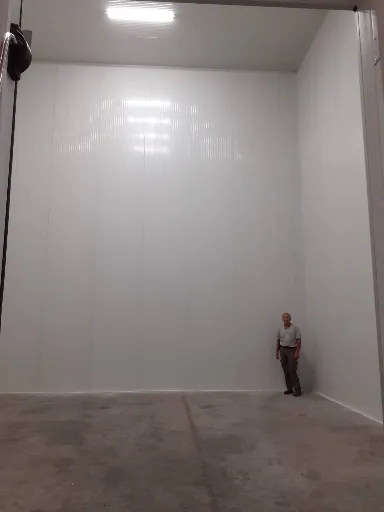
Insulation is critical. High-density, properly sized panels reduce energy use, protect components, and ensure efficient operation. Early planning avoids costly issues.
Industrial Refrigeration Systems: Components That Matter
A robust industrial refrigeration system not only chills but also preserves product quality, ensures safe transport, and maintains stability over time.
Core components include:
- High-performance evaporators and condensers
- Appropriately sized compressors
- Heat exchange coils
- Ventilation fans with precise control
- Pressure protection mechanisms
- Heat exchangers to prevent overcooling or overheating
- Reliable electrical control panels
Each component plays a vital role in maintaining temperature consistency, energy efficiency, and system reliability.
Why Investing in a Modern Refrigeration System Pays Off
The right refrigeration system delivers measurable benefits:
- Protects product safety and quality
- Keeps you compliant with regulations
- Reduces spoilage and waste
- Cuts energy and operational costs
- Supports environmental sustainability
- Boosts brand trust and reputation
Modern systems maximize efficiency while minimizing environmental impact, making them a smart investment for any business.
Bottom Line
Choosing a refrigeration system is not just about storage; it’s about protecting your products, customers, and bottom line.
Thoughtful planning, quality components, and professional installation of your system help reduce energy costs, safeguard inventory, and strengthen your brand.
A well-designed refrigeration system doesn’t just preserve products—it preserves your business.