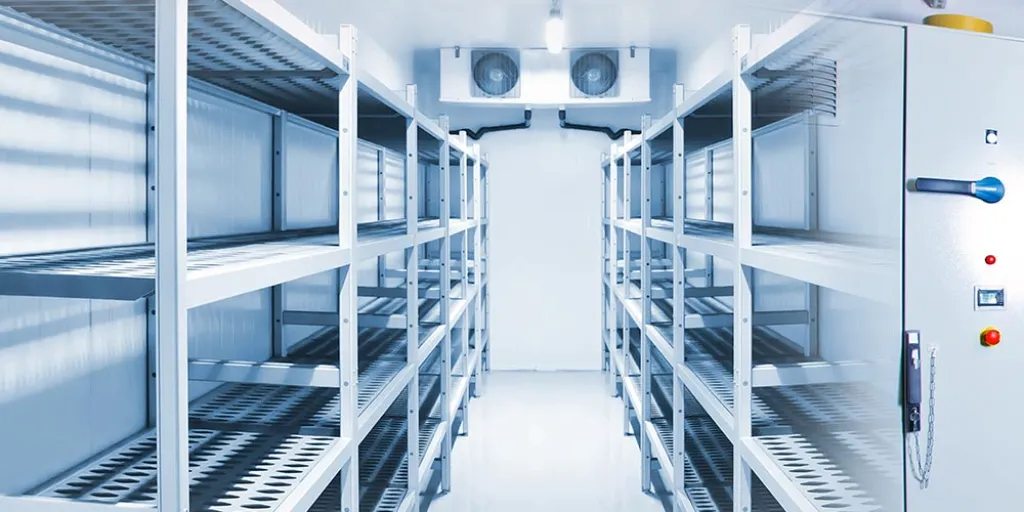
Constructing a cold or freezer room requires careful coordination. When done correctly, it provides efficient, reliable storage for years. This step-by-step guide will walk you through the process professionally.
Step 1: Plan Before You Build
Successful construction starts with thorough planning. Consider:
- The room size and layout
- Required storage capacity
- The right refrigeration or freezing equipment
- The temperature range needed
- The types of products to be stored
Every cold room is unique. Whether for food, pharmaceuticals, or industrial materials, the design must match its intended purpose.
Step 2: Prepare the Space
Before installation, ensure the building is ready:
- Strengthen walls and floors to support shelves and equipment
- Install insulation to improve energy efficiency
- Seal the space to prevent moisture infiltration
- Add drainage where necessary
A well-prepared structure helps maintain stable temperatures and reduces energy loss.
Step 3: Install the Equipment
Next, install the refrigeration system, which typically includes:
- Refrigeration units
- Compressors
- Evaporators
- Condensers
- Control panels
Ensure the equipment is properly sized for the room and its temperature requirements. Improper sizing can lead to higher energy consumption and shortened equipment life.
Step 4: Connect Electricity and Plumbing
Once the equipment is in place, connect it safely:
- Run dedicated electrical wiring
- Set up monitoring and control systems
- Connect drainage and water lines as needed
- Follow safety standards carefully
Proper connections ensure safe and reliable system operation.
Step 5: Insulate and Finish
Next, secure the cold environment:
- Install insulated panels on walls, floors, and ceilings
- Seal joints to prevent heat leaks
- Use materials designed for freezer or cold environments
- Install insulated doors and seals
High-quality insulation maintains consistent temperatures and reduces energy costs.
Step 6: Test and Commission
Finally, verify that all systems are functioning as intended:
- Start the refrigeration system
- Perform pressure and performance tests
- Check temperature stability
- Test control systems and safety mechanisms
After thorough testing, the cold or freezer room is ready for operation.
Conclusion
Building a cold or freezer room requires careful planning, precision, and professional execution. Every step—from design to testing—is essential. Following these guidelines ensures a reliable, energy-efficient storage solution that supports your business for years to come.